How to Use This Tier List
A strong pick can decide a close round before raw damage ever does. This PHIGHTING! tier list matters because every Phighter asks for different strengths: aim, positioning, timing, mobility, or teamwork.
Treat tiers as a shortcut, not a verdict. Balance changes, alternate finishers can alter match impact, and a practiced specialist can outperform a supposedly stronger pick. Ask which character helps your team win the current objective with your strengths.
This guide ranks practical match value rather than character design, lore, or popularity. It favors reliable contributions: surviving pressure, creating space, securing eliminations, healing allies, and converting an advantage into objective control.
| Tier | What it means in a match | Best reason to choose it |
|---|---|---|
| S | Strong, flexible, and consistently fight-changing | You know the kit and want carry potential |
| A | Excellent at a clear job with manageable weaknesses | Your team needs a role or counterpick |
| B | Useful but dependent on execution or allies | You enjoy the kit and understand its limits |
| C | Situational or harder to get full value from | The map, mode, or your expertise favors it |
A tier can change in coordinated lobbies. Supports improve when allies stay in range, while aggressive duelists gain value when teammates capitalize on their pressure.
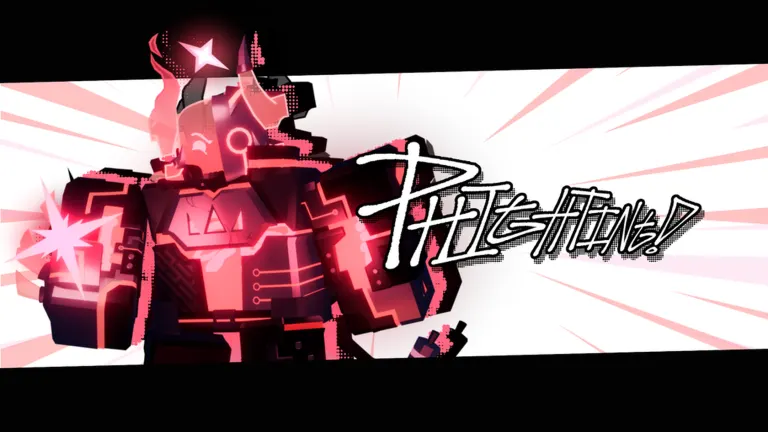
Practical PHIGHTING! Tier List
These rankings are a starting point for ordinary team play. They emphasize dependable value over a rare highlight play. A high tier does not mean effortless; several top choices demand resource management, aim, or target selection.
| Tier | Phighters | Why they rank here |
|---|---|---|
| S | Subspace, Sword, Scythe | High fight impact through damage, pressure, flexibility, or finishing potential |
| A | Ban Hammer, Sling Shot, Shuriken, Vinestaff | Strong specialists with mobility, durability, burst, or team utility |
| B | Medkit, Boombox | Valuable support tools with demanding positioning or execution |
| C | Skateboard | Exceptional movement but less reliable direct-fight value |
Subspace stands out because damage-over-time pressure can soften enemies for teammates to finish. Its control tools punish players who drift out of position. It becomes more dangerous when allies follow up, since unconverted pressure has limited value.
Sword ranks highly through balance. It can duel, deal steady damage, and adapt without a narrow job. Its empowered ability states reward sustained damage, making Sword approachable while still rewarding players who learn tempo and target priority.
Scythe threatens at more than one range and has substantial payoff when resources are managed well. Build and spend ammunition deliberately rather than forcing every fight. A Scythe holding safe angles is often more threatening than one constantly seeking close-range trades.
Ban Hammer excels when a team needs space. Its large health pool makes it effective at contesting an objective, drawing attention, and giving fragile teammates room to work. Slow movement and a large profile make careless approaches easy to punish.
Pick by Role, Not Just Rank
Team composition often matters more than one tier difference. If your group already has damage but lacks sustain, another duelist may be worse than a capable support. A durable frontliner is also more useful when damage dealers can work safely behind it.
| Phighter | Main job | Strength | Watch out for |
|---|---|---|---|
| Ban Hammer | Frontline tank | Holds space and survives contesting | Slow movement and ranged exposure |
| Sword | Flexible duelist | Consistent one-on-one pressure | Needs sustained damage for stronger states |
| Sling Shot | Mobile ranged damage | Repositions and picks weak targets | Fragile at close range |
| Shuriken | Assassin | Burst, mobility, and escape options | Low durability and limited crowd control |
| Scythe | Hybrid damage | Threatens at close and longer ranges | Resource dependence |
| Subspace | Area pressure | Damage-over-time, debuffs, disruption | Needs follow-up |
| Vinestaff | Support healer | Reliable healing and group utility | Needs protection and nearby allies |
| Medkit | Aim-based support | Healing from accurate shots | No shield and demanding headshots |
| Boombox | Close support | Disruption and enhanced abilities | Low durability and timing-heavy play |
| Skateboard | Skirmisher | Outstanding speed and escapes | Lower direct damage and limited utility |
Use this quick selection process before locking in:
- Choose Ban Hammer when the objective needs a body on it and your backline needs protection.
- Choose Vinestaff or Medkit when sustain is missing and allies will play near you.
- Choose Sling Shot, Shuriken, or Scythe against isolated enemies and exposed angles.
- Choose Subspace when teammates can convert slowed or weakened opponents.
- Choose Sword for a reliable all-purpose pick.
- Choose Skateboard when movement matters and you can avoid frontal brawls.
Matchups, Modes, and Finishers
A character’s apparent tier changes with the situation. Ban Hammer gains value on tightly contested objectives, while mobile Phighters benefit from maps with safe routes, high ground, or room to disengage. Do not copy a ranking blindly when the mode requires another win condition.
| Situation | Picks that gain value | Why |
|---|---|---|
| Contested objective | Ban Hammer, Vinestaff, Subspace | Durability, sustain, and area pressure matter |
| Open sightlines | Sling Shot, Scythe, Medkit | Range and precision punish exposure |
| Chaotic overtime | Subspace, Sword, Ban Hammer | Pressure and survivability rise in value |
| Isolated enemy backline | Shuriken, Sling Shot, Scythe | Mobility creates favorable duels |
| Coordinated grouped allies | Vinestaff, Medkit, Boombox | Support value rises with available targets |
Finishers, often called alts by players, need separate evaluation. A cheap, consistent finisher can provide more match value than a spectacular move that rarely lands. A wide damage zone may look dominant, but it loses impact if enemies can escape with mobility or cover.
Ask four questions before judging a finisher:
- Can you activate it without surrendering a safe position?
- Does it secure a kill, save an ally, or force enemies off the objective?
- Can enemies counter it with cover, movement, or crowd control?
- How often can you realistically charge it?
This is why rankings vary between players. One player values maximum potential, while another values consistency. Both views can make sense for their skill level and team environment.
Improve Beyond the Rankings
The fastest way to improve is identifying the action that repeatedly loses fights. A lower-tier pick with a clear plan is usually more useful than an S-tier pick played without awareness.
| If this keeps happening | Try this adjustment |
|---|---|
| You die before using abilities | Play behind the frontline and wait for enemy cooldowns |
| You deal damage but enemies escape | Focus the same target as a teammate |
| You are chased constantly | Save one movement tool for leaving |
| Your support dies first | Rotate back before pursuing a low-health enemy |
| Your ultimate feels wasted | Use it around the objective after mobility is spent |
Spend several matches on one goal at a time. With Medkit, practice headshots and safe healing angles. With Vinestaff, track teammate positions before committing healing resources. With Shuriken or Sling Shot, practice leaving fights as deliberately as you enter them. With Ban Hammer, learn when staying alive on point matters more than chasing an elimination.
Your personal rankings should change as your mechanics improve. Precise aim can raise ranged picks for you, while communication can make supports and setup characters exceptional. That is the strength of a roster built around different playstyles.
FAQ
Is this PHIGHTING! tier list definitive?
No. A PHIGHTING! tier list is a practical snapshot, not an official ranking. Updates, maps, alternate finishers, coordination, and player experience can all change a Phighter’s real value.
Who should beginners try first?
Sword is a strong starting choice because it is flexible and teaches core combat habits. Medkit suits players comfortable with aiming, while Ban Hammer teaches objective presence and frontline responsibility.
Are there bad Phighters?
No Phighter is automatically unusable. Lower-ranked characters usually have a narrower role, higher execution requirement, or greater dependence on favorable maps and teammates. Smart play and mastery can overcome a tier gap.
Why do community tier lists disagree?
Players weigh different factors. Some rank competitive potential, while others rank casual enjoyment, solo-queue reliability, character difficulty, or team synergy.